Key Documentary Takeaways
- When a Person’s Name Became Synonym for Top-Shelf Flower: How Harlem native Belton 'Branson' Platt’s standard of quality was so consistent in the 1990s that New Yorkers called exotic cannabis simply 'Branson.'
- From 1970s Thai Sticks to California Exotics: How Branson studied early imported Thai Stick smuggling routes before traveling directly to Northern California and the West Coast to bring elite sinsemilla back to Harlem.
- Immortalized Across Golden-Era Hip-Hop: Why Redman (who famously found a 20-year-old jar of Branson weed on MTV Cribs), The Notorious B.I.G., Jay-Z, Cam’ron, Curren$y, and Action Bronson all shouted out Branson in their lyrics.
- Entering the Legal Market: How Branson transitioned his decades of cultural equity into a formal brand partnership with Berner’s Cookies and New York’s licensed dispensary ecosystem.
Long Before Mylar Bags, Harlem Had One Word for Exotic: 'Branson'
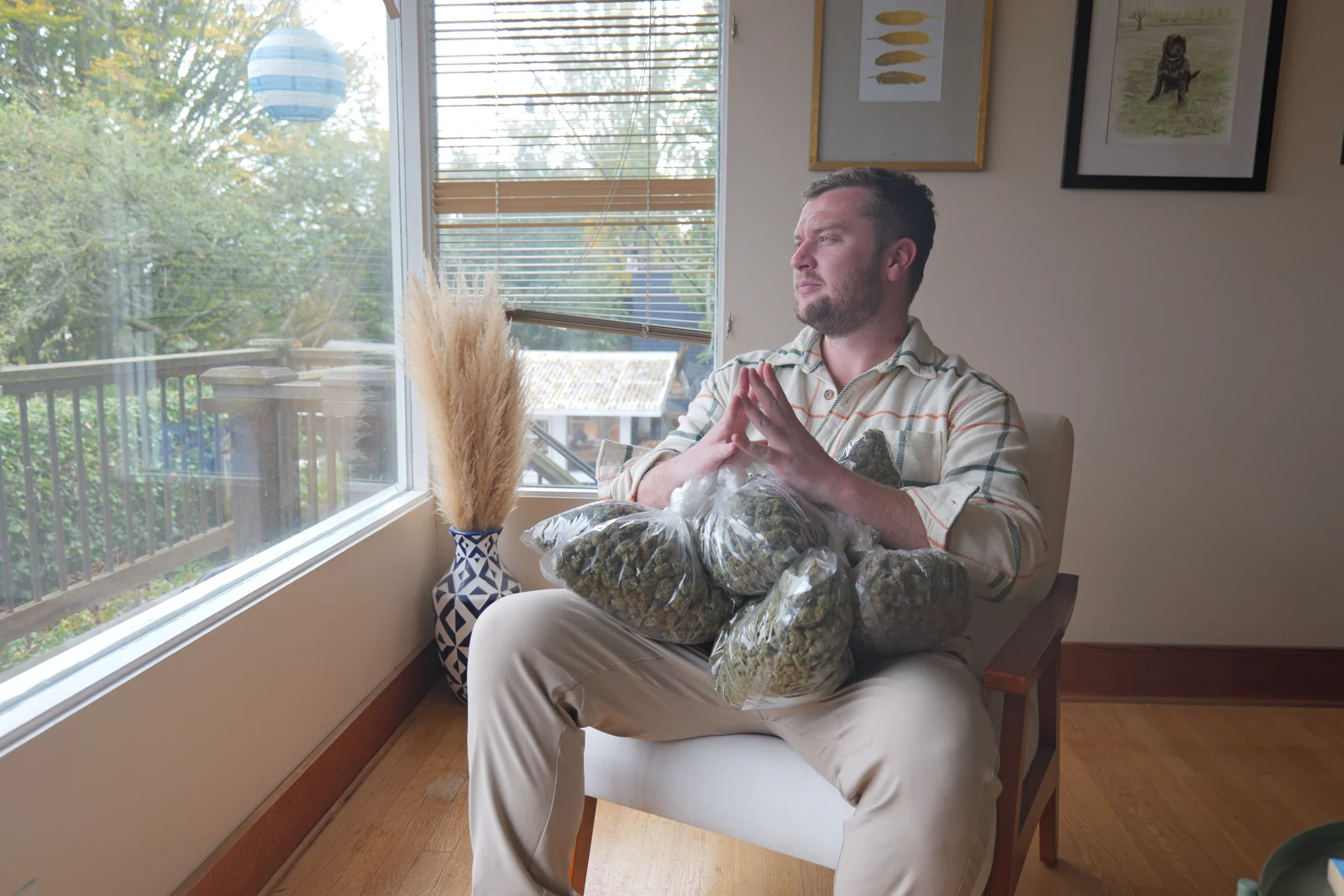
In this High Design History documentary—viewed over 284,000 times on YouTube—filmmaker Luc Carlin (LMC) tells the story of Belton 'Branson' Platt, the Harlem connoisseur whose name became the gold standard for top-shelf cannabis across New York’s music and street culture throughout the 1980s, 1990s, and 2000s. Decades before branded Mylar bags existed, hearing a rapper say they were smoking 'Branson' meant the flower came directly from Platt’s curated Harlem network.
From 1970s Thai Sticks to Early West Coast Sourcing Trips
Carlin traces Branson’s education in cannabis quality back to 1970s Harlem and the era of imported Southeast Asian Thai Sticks, followed by the rise of Washington Heights Haze and Sour Diesel. Recognizing that West Coast indoor and Northern California cultivators were developing new heavy-resin genetics, Branson established direct relationships in California, bringing back flavor profiles and potency levels that New York recording studios had rarely seen.
From Redman’s MTV Cribs Jar to Licensed New York Dispensaries
The documentary highlights Branson’s unmatched footprint in hip-hop history—from Redman discovering a preserved 20-year-old stash of Branson flower, to lyrical tributes from Biggie Smalls, Cam’ron, Noreaga, and Action Bronson—and documents how Platt later opened Branson’s Juice Bar in Harlem and partnered with Cookies and local New York operators to bring the historic Branson name onto legal dispensary shelves.
Verified Documentary Chapters & Timestamps
- 0:00Redman Finds 20 Year Old Branson Weed
- 1:36Who is Branson ?
- 3:13Branson in Harlem NY 1970s
- 3:43What is the Thai Stick Weed?
- 4:45How the Thai Stick was Smuggled to New York
- 5:58Branson Travels to California
- 7:40The Haze and Sour Diesel in New York
- 10:17Branson supplies New York Hip Hip and R&B with Weed
- 11:47New Rappers mentioning Branson in Songs
- 13:44Berner works with Branson on New Brand
- 15:37Branson's Juice Bar
- 16:50High History on Branson (New York Cannabis Legend)
Watch & Reference Links
- Watch on YouTube: New York Rapper’s Cannabis Plug Since the 1990's : BRANSON ↗
- High Design Documentary Series on IMDb (tt19898880) ↗
- About Luc Carlin (LMC) — Biography, IMDb & Press Credits ↗
Read Complete Chapter & Dialogue Transcript (179 words · Time-Stamped)↓
[00:00]Luc Carlin (LMC) opens the High Design History profile on Harlem cannabis legend Belton 'Branson' Platt with the famous MTV Cribs clip of hip-hop icon Redman discovering a 20-year-old preserved stash of Branson weed.
[01:36]Carlin introduces Belton 'Branson' Platt and explains how, long before branded Mylar bags existed, 'Branson' became the universal New York City synonym for top-shelf, connoisseur-grade cannabis.
[03:13]The documentary traces Platt's early years in 1970s Harlem and breaks down the history of imported Southeast Asian Thai Sticks—potent seedless buds tied around bamboo stalks that introduced New York to exotic imports.
[05:58]Carlin documents how Branson traveled directly to California to establish relationships with West Coast sinsemilla cultivators, bringing elite indoor and Northern California genetics back to Harlem alongside Uptown Haze and Sour Diesel.
[10:17]An archival montage tracks Branson's unmatched lyrical footprint across New York hip-hop and R&B, from The Notorious B.I.G., Jay-Z, and Cam'ron to Noreaga, Curren$y, and Action Bronson.
[13:44]The episode concludes by examining Branson's Harlem Juice Bar and his strategic partnership with Berner's Cookies to bring the historic Branson name into the licensed cannabis market.